Protecting And Beautifying Your Home’s Outer Walls
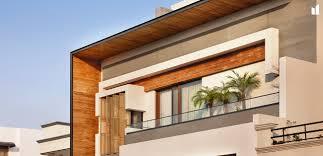
A home’s outer surface is more than just a boundary between indoor comfort and the outside world. It serves as the first line of defense against harsh weather, dust, sunlight, and pollution while also creating a lasting impression. Choosing the right coating and maintenance approach ensures durability, visual appeal, and long-term value.
Why the Right Surface Coating Matters
The outer walls of a building face constant exposure to sun, rain, humidity, and temperature fluctuations. Without proper protection, surfaces can crack, fade, peel, or develop damp patches. A high-quality protective layer shields walls from moisture penetration, UV damage, and environmental pollutants.
Beyond protection, the right finish enhances curb appeal. Whether you want a modern minimalist look or a traditional textured finish, the coating you select significantly influences your property’s appearance.
Key Benefits of Using Exterior Paint
While design preferences vary, the functional advantages of exterior paint remain consistent:
-
Weather Resistance: Protects walls from rain, heat, and temperature changes.
-
UV Protection: Prevents fading and surface degradation caused by sunlight.
-
Moisture Control: Reduces the risk of dampness, mold, and mildew growth.
-
Durability: Extends the lifespan of wall surfaces.
-
Enhanced Aesthetics: Provides a clean, vibrant, and polished appearance.
These benefits make it an essential investment for homeowners seeking both beauty and structural protection.
Choosing the Right Finish
Selecting the appropriate type depends on climate conditions, wall material, and design preferences.
1. Acrylic-Based Coatings
These are widely used due to flexibility, durability, and resistance to cracking. They perform well in areas with fluctuating temperatures.
2. Weatherproof Finishes
Designed for heavy rainfall and humid climates, these coatings create a water-resistant barrier and prevent seepage.
3. Textured Finishes
Ideal for hiding surface imperfections, textured coatings add depth and visual interest while offering extra protection.
4. Elastomeric Coatings
These provide a thick, rubber-like protective layer that bridges hairline cracks and prevents water intrusion.
Factors to Consider Before Application
To ensure long-lasting results, consider the following factors before beginning a project:
-
Surface Preparation: Cleaning, repairing cracks, and priming are essential for proper adhesion.
-
Climate Compatibility: Choose products designed for local weather conditions.
-
Color Selection: Lighter shades reflect heat, while darker tones create bold aesthetics.
-
Quality Over Cost: Premium options may cost more initially but reduce maintenance expenses over time.
Proper preparation and thoughtful selection significantly improve performance and longevity.
Maintenance Tips for Long-Term Results
Even the most durable finishes require occasional care to maintain their appearance and protective qualities.
-
Wash walls periodically to remove dirt and pollutants.
-
Inspect for cracks or peeling and address issues promptly.
-
Trim nearby plants to prevent moisture buildup.
-
Reapply protective coatings every 5–8 years, depending on environmental exposure.
Routine maintenance helps preserve both visual appeal and structural integrity.
Enhancing Property Value and Appeal
A well-maintained exterior creates a positive impression and can significantly increase property value. Whether planning to sell or simply improve your home’s appearance, investing in high-quality surface protection is a smart decision. Attractive outer walls reflect care, cleanliness, and pride in ownership.
Final Thoughts
Protecting and enhancing your home’s outer walls is not just about appearance; it is about durability, safety, and long-term savings. By choosing suitable materials, ensuring proper application, and performing regular maintenance, homeowners can safeguard their property against environmental damage while achieving a beautiful, lasting finish.