
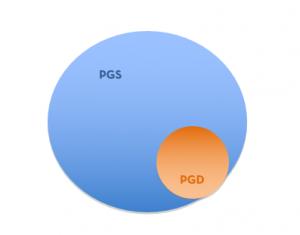
What Is The Difference Between PGD And PGS
Genetic testing has become an important part of modern fertility treatment. Many couples undergoing IVF often hear about PGD and PGS, but they are confused about what these terms mean and how they differ.
Both tests are used during IVF to improve embryo selection and increase the chances of a healthy pregnancy, but they serve different purposes.
Understanding the difference between Preimplantation Genetic Diagnosis (PGD) and Preimplantation Genetic Screening (PGS) is important for couples considering genetic testing during IVF.
What Is PGD?
Preimplantation Genetic Diagnosis (PGD) is a genetic test used to detect specific inherited genetic disorders in embryos created through IVF.
PGD is recommended when:
- One or both parents carry a known genetic disease
- There is a family history of inherited disorders
- Couples want to avoid passing on genetic conditions
PGD helps identify whether an embryo carries a specific genetic mutation.
What Is PGS?
Preimplantation Genetic Screening (PGS) is used to check embryos for chromosomal normality.
It does not look for a specific disease but instead checks:
- Chromosome number
- Structural chromosome issues
- Overall genetic stability
PGS helps select embryos with normal chromosomes for better implantation success.
Key Difference Between PGD and PGS
The main difference lies in what they test:
- PGD detects specific genetic diseases
- PGS checks for chromosomal abnormalities
Both tests are performed before embryo transfer during In Vitro Fertilization (IVF).
How These Tests Are Performed
Both PGD and PGS involve a similar procedure:
- Eggs are fertilized in the laboratory
- Embryos develop for a few days
- A small number of cells are taken through Embryo Biopsy
- Genetic analysis is performed
- Healthy embryos are selected for transfer
This process is part of advanced Assisted Reproductive Technology.
Role of Genetic Testing in IVF
Both PGD and PGS fall under the broader term Preimplantation Genetic Testing (PGT).
These tests help:
- Improve embryo selection
- Reduce risk of genetic diseases
- Increase IVF success rates
- Support healthy pregnancy outcomes
When Do Doctors Recommend PGD?
Doctors may recommend PGD when:
- There is a known genetic disorder in the family
- Parents are carriers of inherited diseases
- Previous children have genetic conditions
PGD helps ensure the disease is not passed to the baby.
When Do Doctors Recommend PGS?
PGS is often recommended for:
- Women of advanced maternal age
- Couples with repeated IVF failure
- History of miscarriage
- Chromosomal concerns
PGS helps identify embryos with the best chance of successful implantation.
Importance of Embryo Selection
Both PGD and PGS in Lahore improve Embryo Selection.
Selecting healthy embryos increases:
- Pregnancy success rates
- Healthy fetal development
- Reduced miscarriage risk
Role of Genetic Counseling
Before undergoing testing, many couples receive Genetic Counseling.
Genetic counselors help explain:
- Test results
- Risks and benefits
- Treatment options
This support helps couples make informed decisions.
Final Thoughts
The difference between PGD and PGS lies in their purpose. PGD identifies specific genetic diseases, while PGS checks for chromosomal abnormalities. Both are valuable tools in modern IVF treatment and help improve the chances of a healthy pregnancy.
With advanced genetic testing and expert reproductive care, couples can make safer and more informed choices during their fertility journey.