
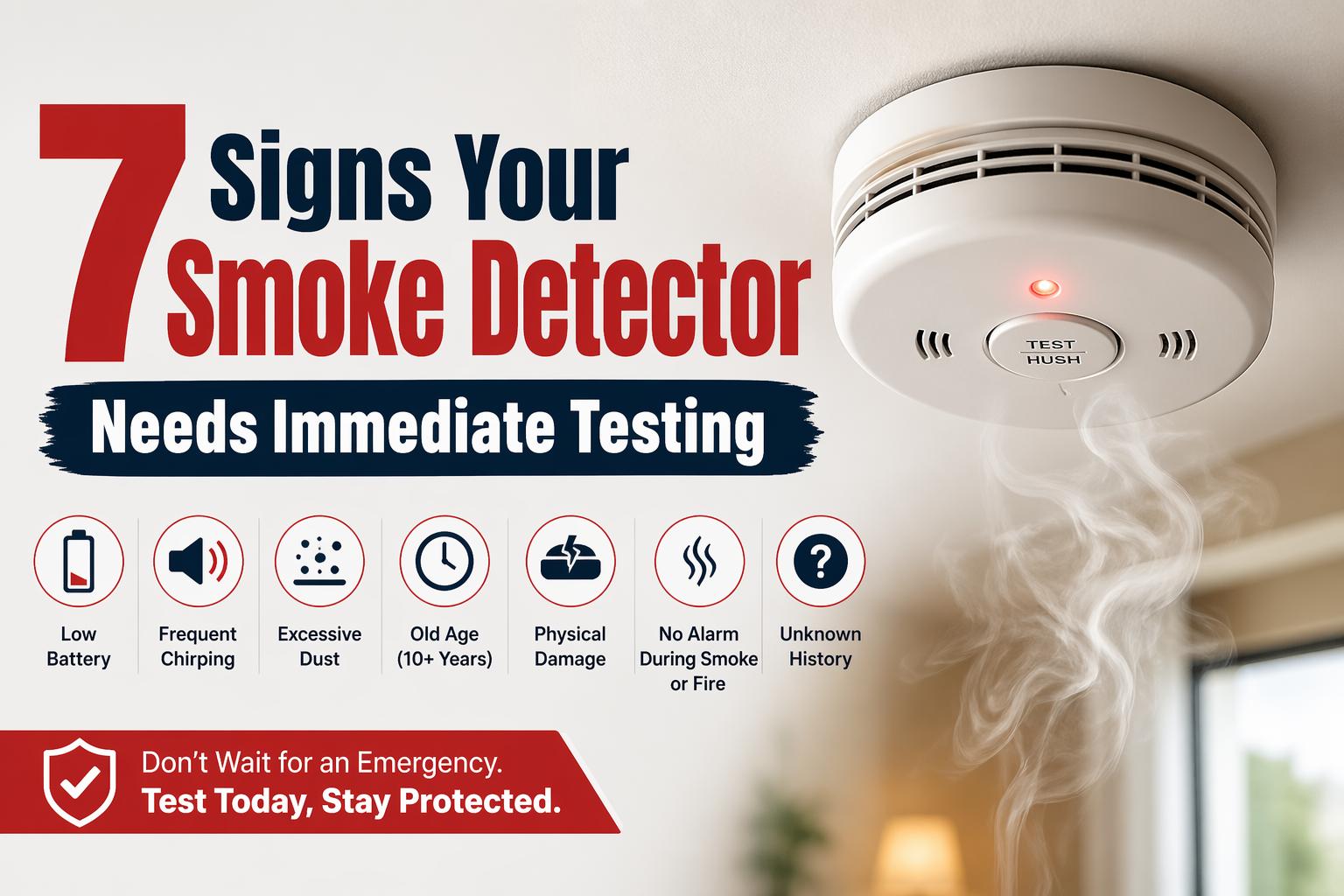
7 Signs Your Smoke Detector Needs Immediate Testing
Smoke detectors don’t usually fail dramatically; they fail quietly. A unit that looks perfectly fine on the ceiling can still miss the earliest signs of fire if it’s clogged, aging, or out of calibration. That’s why regular checks with a Smoke Detector Tester aren’t just a compliance task they’re a safety habit. If you’re responsible for a facility, warehouse, office, or residential building, these seven signs are practical indicators that it’s time to act. Whether you use a smoke alarm tester, a solo fire detector tester, or more advanced smoke detector testing equipment, catching issues early can prevent bigger risks later.
Why Timely Smoke Detector Testing Matters
Most detectors are installed and then forgotten until a false alarm or inspection deadline forces attention. In real conditions, dust buildup, humidity, insects, and even paint can reduce sensitivity. That’s where proper smoke detector sensitivity testing equipment becomes critical; it tells you whether the detector will respond at the right time, not too early and not too late. Professionals often rely on a solo-tester smoke detector setup because it simulates real smoke conditions without damaging the unit. The goal is simple: ensure the detector reacts exactly when it should.
1. Frequent False Alarms Without Clear Cause
If your system triggers alarms without visible smoke, it’s not just annoying; it’s a warning sign.
What’s happening:
- Sensor contamination
- Electrical instability
- Incorrect sensitivity settings
Repeated false alarms often lead people to ignore alerts, which is dangerous. Using a smoke alarm tester helps verify whether the detector is over-sensitive or malfunctioning.
2. No Response During Routine Testing
Pressing the test button isn’t enough. That only checks the electronics, not the sensor.
Real issue:
A detector may pass a button test but fail to detect actual smoke. This is where proper smoke detector testing equipment becomes essential. Tools like a solo fire detector tester simulate real conditions, ensuring the sensing chamber is functioning correctly.
3. Delayed Response to Smoke Simulation
If your detector reacts slowly during testing, that delay can be critical in a real fire.
Common causes:
- Dust accumulation
- Aging sensors
- Environmental exposure
Using smoke detector sensitivity testing equipment allows you to measure response time accurately. A slow response often means the detector needs cleaning, calibration, or replacement.
4. Detector Age Exceeds Recommended Lifespan
Most smoke detectors are designed to last around 8–10 years.
Why age matters:
- Sensors degrade over time
- Internal components weaken
- Sensitivity becomes unreliable
Even if the unit appears functional, an older detector should be tested thoroughly using a Smoke Detector Tester or replaced if performance is inconsistent.
5. Physical Damage or Environmental Exposure
Look for:
- Cracks or discoloration
- Exposure to dust, grease, or chemicals
- Installation near vents or high-humidity areas
These factors affect how smoke enters the chamber. A solo tester smoke detector setup helps confirm whether airflow or contamination is affecting detection performance.
6. Recent Renovation or Construction Work
After renovation, detectors often get covered in fine dust even if they were protected.
Hidden risk:
Dust particles inside the sensor can do either of the following:
- Block smoke detection
- Trigger false alarms
Post-construction testing with smoke detector testing equipment is essential. Skipping this step is a common oversight in commercial spaces.
7. Compliance Inspection Is Due (or Overdue)
If you’re approaching a safety audit, testing shouldn’t be rushed at the last minute.
Smart approach:
- Schedule periodic testing
- Use calibrated smoke detector sensitivity testing equipment
- Maintain records
Working with experienced providers like Novus Fire and Security LLC ensures testing is done properly and documented for compliance, without disrupting operations.
Choosing the Right Testing Tools
Not all testing methods provide the same level of accuracy.
Basic Tools:
- Smoke alarm tester sprays
- Manual test buttons
Advanced Tools:
- Solo fire detector tester systems
- Electronic smoke detector testing equipment
- Certified smoke detector sensitivity testing equipment
For professional environments, advanced tools are not optional. They’re necessary for reliable results.
Practical Testing Tips from Field Experience
- Always test detectors under normal operating conditions.
- Avoid overusing aerosol sprays—they can contaminate sensors
- Clean detectors before sensitivity testing
- Keep a testing schedule instead of waiting for issues
Technicians using a solo tester smoke detector approach often find problems that basic testing misses, especially in large facilities.
When to Repair vs Replace
Repair if:
- Minor dust or contamination
- Calibration issue
- Temporary environmental impact
Replace if:
- Sensor degradation
- Repeated failure during testing
- Unit exceeds lifespan
A good rule: if testing results are inconsistent, replacement is usually more cost-effective than repeated maintenance.
The Cost of Ignoring These Signs
Skipping proper testing might save time today, but it increases risk significantly.
- Delayed fire detection
- Higher property damage
- Safety hazards for occupants
- Compliance penalties
Reliable testing, especially with professional-grade smoke detector testing equipment, is a small investment compared to potential losses.
FAQs
Q1. How often should smoke detectors be tested?
A1. Basic checks should be monthly, while professional testing with a Smoke Detector Tester should be done periodically based on usage and regulations.
Q2. What is the difference between a test button and a smoke alarm tester?
A2. The test button checks power and alarm function, while a smoke alarm tester simulates real smoke conditions.
Q3. Is a solo fire detector tester better than aerosol sprays?
A3. Yes, a solo fire detector tester provides controlled and cleaner testing without contaminating the sensor.
Q4. What is smoke detector sensitivity testing equipment used for?
A4. It measures whether the detector responds within the correct sensitivity range not too early or too late.
Q5. Can I perform testing myself?
A5. Basic testing is possible, but professional tools like a solo tester smoke detector setup ensure accurate and compliant results.